
Singapore
Singapore
Plan your Singapore trip: the best neighbourhoods to stay in, must-try dishes, places to eat, bars and sights. Budget, getting around and practical tips.
Singapore is a city-state at the tip of the Malay Peninsula. Skyscrapers sit alongside gardens, temples and neighbourhood markets. In just a few MRT stops, you can go from Chinatown to Little India and then to the Marina Bay waterfront.
The city is clean, safe and easy to navigate. But it’s really best explored at the table. Hawker centres, the open-air food courts that are part of everyday life, are where Chinese, Malay and Indian flavours mix on one plate.
The climate is hot and humid all year round. Showers are frequent but usually brief. February to April tends to be a little drier. Plan air-conditioned breaks and schedule sightseeing early in the morning or late in the afternoon.
Allow three to four days to see the main neighbourhoods, the gardens and a bit of Sentosa. Two days is enough for a first taste. Accommodation is pricey, but eating local is very affordable.
Where to stay in Singapore
Marina Bay and Civic District
Best for Ideal for a first visit, with easy access to the major sights.
Why stay here You’re within walking distance of the bay, the museums and Gardens by the Bay. The MRT is very close.
Good to know Hotels here are expensive, and the area feels quieter and more office-like in the evening.
Chinatown
Best for Perfect for food lovers and curious travellers who like to head out on foot from breakfast onwards.
Why stay here Temples, lanes, Chinese restaurants and bars are only a few minutes away. The MRT serves the area well.
Good to know The busiest streets are noisy, and rooms are often small.
Orchard
Best for Good for families and anyone who wants comfort and shopping.
Why stay here There’s a wide choice of hotels, from simple to luxury. Air-conditioned shopping malls are handy during a heatwave or a downpour.
Good to know The atmosphere is less local, and the streets feel more impersonal than elsewhere.
Little India and Kampong Glam
Best for For travellers who want atmosphere and slightly gentler prices.
Why stay here Colourful streets, restaurants and cultural sights are all close by. Hotels are generally more affordable than those on the waterfront.
Good to know The area is lively and noisy, and the bay gardens are further away.
Where to eat in Singapore
Local dishes to try
- Chicken rice : Tender poached chicken served with fragrant rice and sauces. Most locals name it first when asked about their favourite dish.
- Laksa : A spicy noodle soup made with coconut milk, often topped with prawns. It comes from the Peranakan kitchen.
- Chilli crab : Crab cooked in a sweet, spicy, slightly tomato-based sauce. Order fried buns to mop it up, and don’t wear white.
- Char kway teow : Flat rice noodles stir-fried in a wok with egg, seafood and a smoky flavour.
- Kaya toast : Toasted bread spread with coconut and egg jam, and butter. It’s eaten at breakfast, with a local coffee.
- Rojak : A salad of fruit, vegetables and fritters, drizzled with a dark, sweet and spicy sauce. The mix may surprise you, but it’s very popular.
Where to eat, by neighbourhood
| Place | Neighbourhood | Cuisine | In short |
|---|---|---|---|
| 328 Katong Laksa | Katong | Local cuisine, laksa | A neighbourhood favourite for laksa in the east of the city, away from the tourist centre. |
| Hawker Chan | Outram | Chinese, chicken, noodles, barbecue | A simple, quick stop for chicken and noodles, just steps from Chinatown. |
| Yum Cha Chinatown | Outram | Chinese, dim sum | Great for sharing dim sum over a pot of tea in the Chinatown area. |
| Boon Tong Kee | River Valley | Chinese, Singaporean | A good spot to try Singaporean cooking, with dishes designed for sharing. |
| Jumbo Seafood | Clarke Quay | Seafood | A seafood restaurant for a group meal, built around dishes to share. |
| Balestier Road Hoover Rojak | Whampoa | Asian, regional | A neighbourhood place off the usual tourist trail, for everyday local cooking. |
Places: © OpenStreetMap contributors.
Nightlife
Robertson Quay
Along the river, the mood is relaxed and friendly. The terraces are pleasant once the heat eases.
- Botany
- Boomarang Bistro & Bar
Raffles Place
In the heart of the business district, this is where people go after work. Expect rooftop views, izakayas and friendly tables.
- 1-Altitude Rooftop Gallery & Bar
- Suishin Izakaya & Sake Bar
- Kin Tub Thai Mookata
Bugis and Bras Basah
A central area that’s convenient for finishing the evening after sightseeing. You’ll find small neighbourhood bars and a classic from the Raffles hotel.
- Nutmeg & Clove
- BBQ Box
- Long Bar
Chinatown
The streets stay lively late into the night. Stop for a drink between wanders through the lanes.
- Leopold
Things to do in Singapore
Gardens by the Bay
This large waterfront park is home to the Supertrees, giant vertical gardens, and themed conservatories. The walkways are lovely in the shade or as the lights come on at dusk.
Tip Come in the late afternoon to avoid the heat and stay until evening. Access to the Supertree Grove is free. Buy conservatory tickets in advance.
Singapore Botanic Gardens
These UNESCO-listed gardens offer wide lawns, lakes and shaded paths. They’re an ideal green escape for a quiet morning.
Tip Arrive early in the morning, when it’s cooler and less crowded.
National Gallery Singapore
The museum occupies two former civic buildings in the city centre. It focuses mainly on Southeast Asian art.
Tip Save it for early afternoon, when heat or rain makes walking unpleasant.
Chinatown and Peranakan heritage
The Buddha Tooth Relic Temple, the lanes and the markets tell the story of the city’s Chinese history. Nearby museums such as Baba House and the Peranakan Museum showcase Peranakan culture, the descendants of Chinese traders who settled in the region.
Tip Visit the temple in the morning, then have lunch at a hawker centre in the neighbourhood.
Little India and Kampong Glam
Little India is known for its colourful shophouses, such as the House of Tan Teng Niah, and its bustling shops. In Kampong Glam, you’ll find the Malay Heritage Centre and the Sultan Mosque.
Tip Go in the late afternoon, when the streets are at their liveliest. Wear clothing that covers shoulders and knees to enter places of worship.
Sentosa
This resort island south of the city offers beaches, theme parks such as Universal Studios Singapore, a luge and outdoor activities. It’s well suited to families.
Tip Pick a weekday to keep queues shorter. Arrive at opening time for the attractions.
Marina Bay waterfront
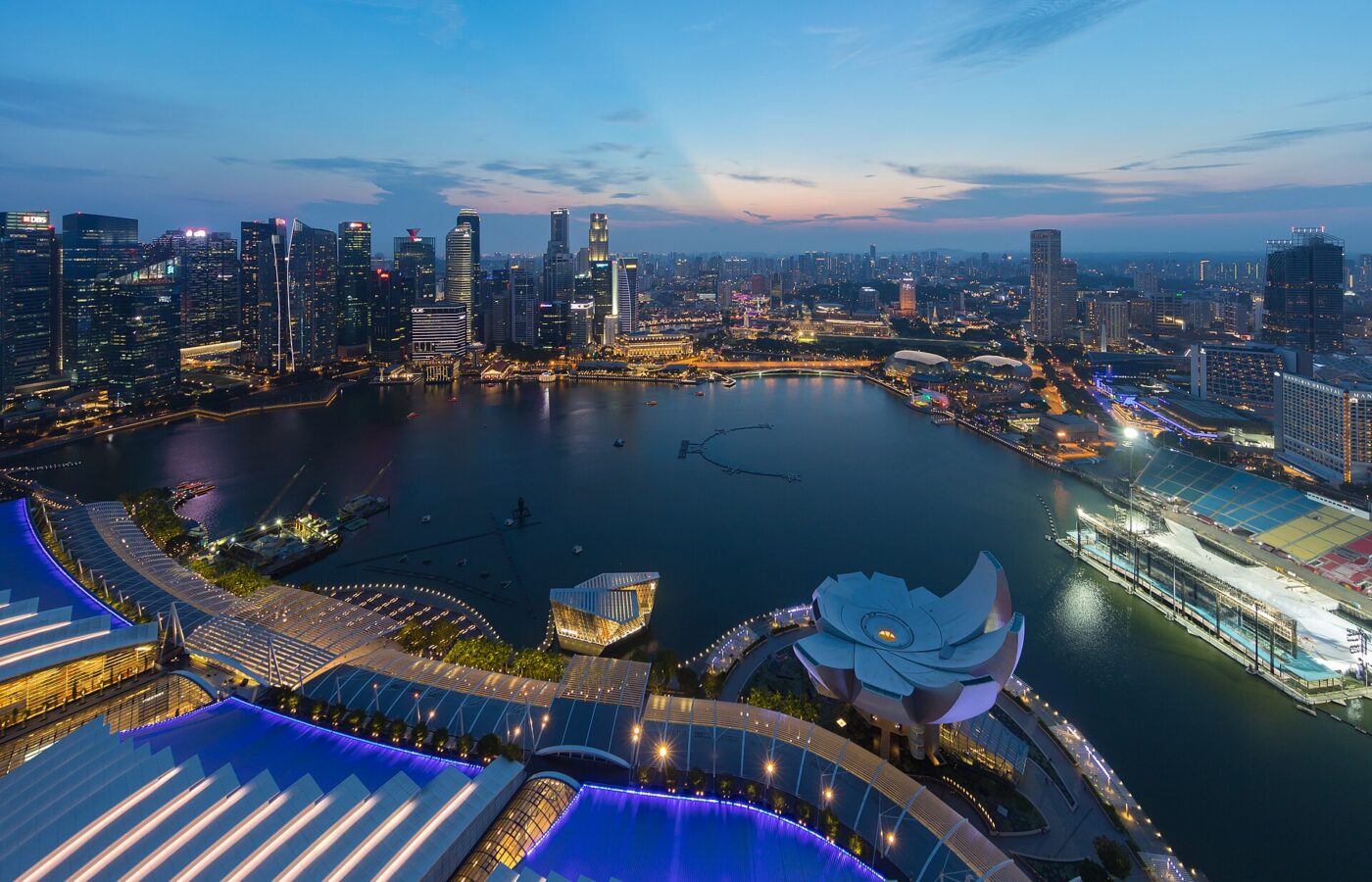
The promenade around the bay offers views of the Merlion, the Marina Bay Sands hotel and the city skyline. The ArtScience Museum is right next door.
Tip Walk the loop after dark: it’s cooler and the lights are at their best.
Getting around
From the airport to the city centre
Changi Airport is on the east side of the city. The MRT (metro) links it to the centre, usually with one change along the way. It’s the cheapest option. A taxi or ride-hailing app like Grab is simpler if you have heavy luggage or are travelling as a group. These journeys go directly to your hotel.
Around the city
The MRT is the best way to get around: it’s clean, clear to follow and air-conditioned. Buses fill in the gaps in less-served areas. For short hops, taxis and ride-hailing apps remain handy, especially during a downpour. A rechargeable transport card makes journeys easier. Eating and drinking are not allowed on the MRT.
Find a flight
Compare flights and flight + train or bus combinations to Singapore.
Compare flightsPractical info
Safety
Singapore is one of the safest cities in Asia. Pickpocketing is rare, but keep your belongings close in crowds. Follow local rules, as fines are steep.
Good to know
- Pack a light umbrella and a water bottle. It’s hot and humid all year, with brief showers.
- Bring a type G plug adapter, the same as in the UK. The voltage is 230 V.
- Vaping is banned, and littering is heavily penalised.
- Tipping isn’t customary. Service is often already included in the bill.
Mobile data on arrival
An eSIM to get online as soon as you land, no SIM swap needed.
See data plansFAQ
How many days do you need in Singapore?
Three to four days gives you time to see the main neighbourhoods, the gardens, the bay and a bit of Sentosa without rushing. With two days, you’ll get a good overview if you plan carefully. Add another day if you want to take your time eating at hawker centres.
Where to stay in Singapore for a first visit?
Marina Bay and Civic District are a good choice, with easy access to the main sights and the MRT. Chinatown suits those who like walking everywhere and eating on the go. Orchard is convenient for comfort. Little India and Kampong Glam are more affordable.
What is the best time to visit Singapore?
It’s hot and humid all year, so there’s no bad season. From February to April, it tends to rain a little less. From November to January, showers are more frequent. Either way, bring an umbrella and plan air-conditioned breaks.
What is a realistic budget for Singapore?
Expect about 130 to 200 € per person per day, including a mid-range hotel, excluding flights. Accommodation is the biggest expense. Eating at hawker centres costs very little, whereas restaurants in the business district and Orchard can quickly add up.
What should I eat in Singapore?
Try chicken rice, laksa, char kway teow and chilli crab. For breakfast, have kaya toast. The easiest option is a hawker centre, where you’ll find many dishes at low prices, from Chinese, Malay and Indian cooking.