
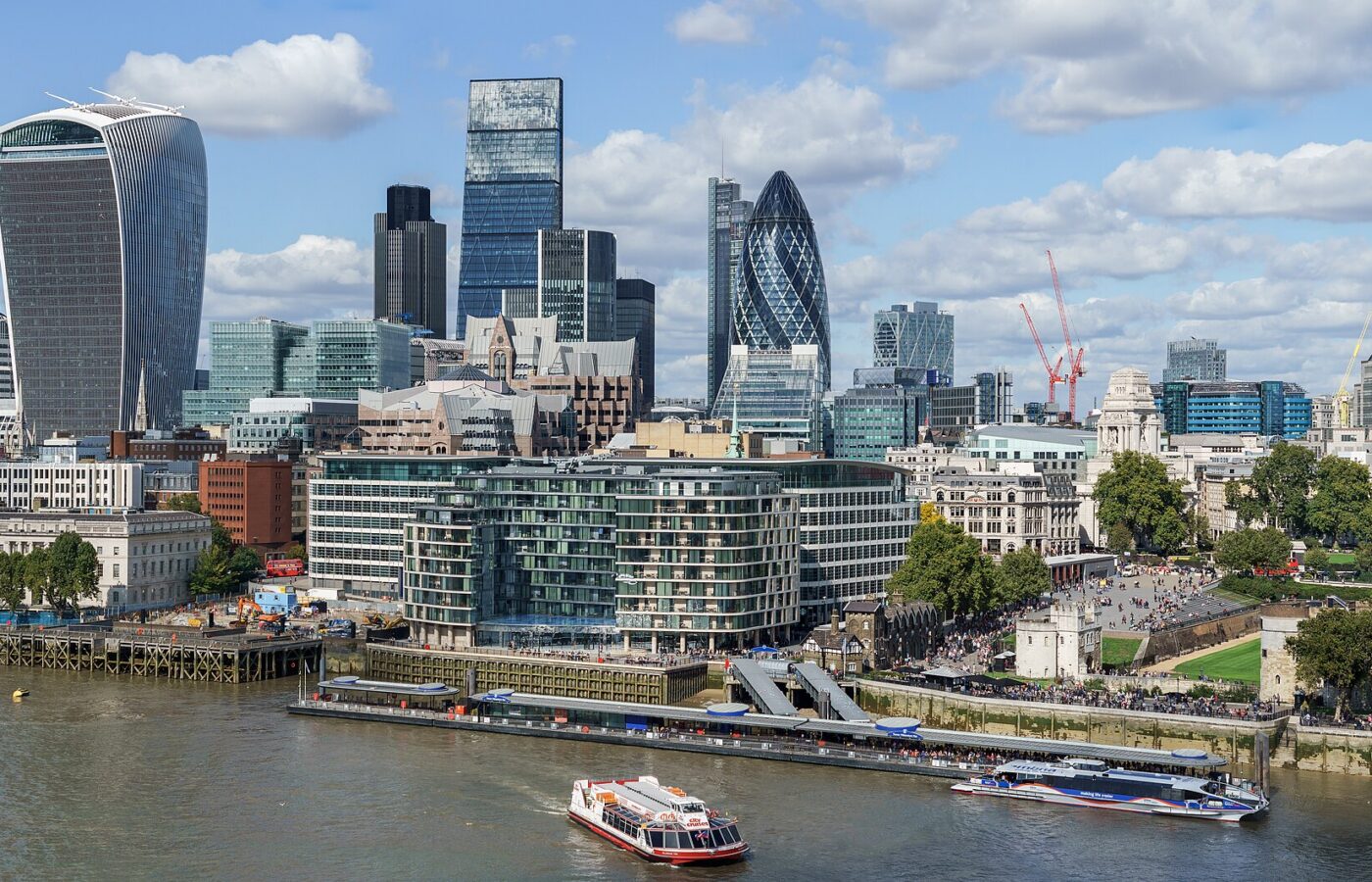
United Kingdom
London
Plan your London trip: the best neighborhoods to stay in, classic British dishes, where to eat, pubs, sights and tips for getting around easily.
London takes a little planning, but it rewards you for it. The city sprawls across dozens of neighborhoods, each with its own mood: the busy lanes of Covent Garden, the streets of Shoreditch, the lawns of Kew, and the local pubs tucked into every corner.
You’ll find great museums, many of them free, plus markets, parks and a food scene far more varied than its reputation suggests. Fish and chips sit alongside Indian, Japanese and Peruvian tables.
The best time to visit is May to September, when the days are long and the temperatures mild. Pack a rain jacket anyway, because showers can arrive in any season. Outside summer, hotels are often cheaper and the queues shorter.
Allow 3 to 5 days for a first visit. This guide helps you choose your neighborhood, your meals, your evenings and how to get around.
Where to stay in London
Covent Garden
Best for For a first visit, if you want to do everything on foot.
Why stay here Theatres, restaurants and shops are all close by. The area is well served by the Tube, and you can reach the major sights on foot.
Good to know It’s very busy during the day, and rooms here are among the most expensive in the city.
Bloomsbury
Best for For museum lovers and those who want some calm.
Why stay here The British Museum is right nearby, and the neighborhood is made up of quiet streets lined with garden squares. King’s Cross and St Pancras stations, where the Eurostar departs, are close by.
Good to know The evening atmosphere is quieter than in Soho or Shoreditch.
South Kensington
Best for For families and travellers who like residential areas.
Why stay here Several major museums are a few minutes away, as is Hyde Park. The streets are elegant and fairly calm in the evening.
Good to know The area is expensive and a bit removed from the nightlife buzz.
South Bank and Southwark
Best for For those who want to walk along the Thames.
Why stay here The south bank is at your doorstep, with its museums, markets and views over the city. Tower Bridge and Tate Modern are within walking distance.
Good to know The riverside gets very touristy during the day.
Shoreditch
Best for For a younger crowd who love nightlife and street art.
Why stay here Bars, cafés, independent shops and nightlife are all just around the corner. The mood is more creative and less traditional than in the centre.
Good to know The neighborhood can be noisy at weekends, and it’s further from the major landmarks.
Where to eat in London
Local dishes to try
- Fish and chips : Battered, fried fish served with thick-cut chips. Many people add malt vinegar.
- Sunday roast : The Sunday meal: roasted meat, potatoes, vegetables and Yorkshire pudding. Many pubs serve it.
- Full English breakfast : A hearty breakfast with eggs, bacon, sausage, baked beans and toast. It’ll keep you going until evening.
- Pie and mash : A meat pie served with mashed potatoes. It’s a popular, simple dish, typical of the East End neighborhoods.
- Afternoon tea : Tea, scones, small sandwiches and pastries, served in the mid-afternoon. A ritual that many cafés and hotels offer.
- Indian cuisine : London has many Indian restaurants, from neighborhood spots to more elaborate addresses. Curry is part of everyday eating.
Where to eat, by neighbourhood
| Place | Neighbourhood | Cuisine | In short |
|---|---|---|---|
| Simpson’s-in-the-Strand | Covent Garden | English cuisine | An English cuisine restaurant on the Strand, convenient after a day in Covent Garden. |
| North Sea Fish | Bloomsbury | Fish and seafood | A fish and seafood restaurant, ideal for a fish and chips near the British Museum. |
| Veeraswamy | St. James’s | Indian | An Indian restaurant on Regent Street, close to Piccadilly and Soho. |
| Lima | Fitzrovia | Peruvian | A Peruvian restaurant on Rathbone Place, a welcome change from British classics. |
| Eat Tokyo | Holborn | Japanese | A Japanese spot on Red Lion Street, handy for lunch between sights. |
| Zaika | South Kensington | Indian | An Indian restaurant on Kensington High Street, worth booking if you’re staying in the west of the city. |
Places: © OpenStreetMap contributors.
Nightlife
St Giles and Somers Town: central pubs
Local pubs close to the stations and the British Museum. A good choice for a first pint without going far from the centre.
- Green Man (St Giles)
- The Barrel Vault (Somers Town)
Kentish Town and Gospel Oak: northern pubs
A residential neighborhood feel, with pubs popular with locals. Ideal if you want a quieter evening, away from the crowds.
- The Pineapple (Kentish Town)
- Duke of St. Albans (Gospel Oak)
Wapping and Fish Island: East London
Two distinct vibes in the east: the former docks of Wapping, on the Thames, and Fish Island, an area of breweries and old warehouses.
- Hoop and Grapes (Wapping)
- Crate Brewery & Pizza (Fish Island)
Belgravia and Vauxhall: western and southern pubs
A pub set in the elegant streets of Belgravia and another on the south bank, in Vauxhall. Two very different atmospheres for one night out.
- The Star Tavern (Belgravia)
- The Black Dog (Vauxhall)
Things to do in London
British Museum
This museum displays collections from around the world, from ancient Egypt to ancient Greece. Entry to the permanent collections is free.
Tip Pick two or three galleries before you arrive, as the museum is huge. Go early in the morning or late in the afternoon to avoid the crowds.
Westminster, Big Ben and Westminster Abbey
Parliament, Big Ben and Westminster Abbey can all be seen on one walk along the north bank of the Thames. Westminster Bridge offers a great overview.
Tip Come early in the morning for photos. Book the Abbey in advance if you want to go inside.
Tower of London and Tower Bridge
The fortress, its towers and the Crown Jewels tell almost a thousand years of British history. Tower Bridge is just a few steps away.
Tip Book your ticket in advance and arrive as soon as it opens, as queues build quickly in summer.
Charles Dickens Museum
The museum is housed in a home where the writer lived, in Bloomsbury. You’ll discover his world and daily life in Victorian times.
Tip It’s a short visit, easy to combine with a day in Bloomsbury or Holborn.
The Courtauld Gallery
This gallery, on the Strand near Covent Garden, holds fine painting collections. Its manageable size means you can visit without rushing.
Tip A great idea for a rainy morning. Book ahead in peak season.
Dennis Severs’ House
This house in Spitalfields, near Shoreditch, is staged as if its inhabitants had just left it. The visit has a distinctive atmosphere, quite different from a classic museum.
Tip Book ahead, as the house is small, and allow plenty of time so you don’t feel rushed.
South Bank and Tate Modern
The walk along the south bank runs from theatres to museums, with views over the Thames. Tate Modern occupies a former power station.
Tip Walk from Westminster to Tower Bridge late in the afternoon, when the light is lovely.
Kew Gardens
This large botanic garden, in the west of the city, has glasshouses and vast lawns. It’s a calm outing, far from the most crowded sights.
Tip Visit on a sunny day, and set aside at least half a day.
Getting around
From the airport to the city centre
London has several airports, each with its own connections. From Heathrow, you can take the Tube (Piccadilly line), the Elizabeth line or the Heathrow Express, which runs to Paddington station. From Gatwick, trains link several central stations, including Victoria and London Bridge. From Stansted, the Stansted Express runs to Liverpool Street. From Luton, a train reaches St Pancras after a short shuttle from the airport. If you arrive by Eurostar, you’ll get off directly at St Pancras, right in the centre.
Around the city
The Tube (the London Underground) is the most convenient way to cross the city. You can pay with a contactless bank card or an Oyster card, without buying a ticket for each journey. Red buses go almost everywhere and are a good way to see the city, but they’re slower at rush hour. In the centre, many sights are within walking distance of each other: Covent Garden, Soho, Bloomsbury and Westminster are close together. Suburban trains also reach some sites, such as Kew or Greenwich.
Practical info
Safety
London is generally a safe city for visitors. Pickpocketing happens in very busy areas, so keep your belongings in front of you on the Tube and near tourist sights. Avoid leaving your phone in view near the kerb, where bikes or scooters can pass quickly.
Good to know
- Carry a valid passport. Some nationalities, including French travellers, also need an Electronic Travel Authorisation (ETA), which you apply for online before departure.
- Look right before crossing: traffic drives on the left, and pedestrians are often caught out.
- Bring a plug adapter: British sockets are different from those in France and the US.
- Wear comfortable shoes and pack a light rain jacket. You’ll walk a lot, and the weather can change quickly.
Aziz’s take
London is best seen slowly. Choose two or three neighborhoods a day rather than rushing from one landmark to the next, and leave time to wander through the parks and local streets.
FAQ
How many days do you need in London?
Three days is enough for a first visit: one day for Westminster and the centre, one day for the museums, and one day for the Thames, the Tower of London and the East End. With five days, you can add Kew Gardens, Greenwich or more relaxed walks. A weekend lets you see the highlights, but you’ll need to choose carefully.
Where to stay in London for the first time?
Covent Garden and Bloomsbury are the simplest choices: you’re central, well served by the Tube, with plenty of restaurants nearby. South Bank suits you if you like walking along the Thames. South Kensington is quieter and convenient for the museums. Book early, as rooms are expensive in summer.
When is the best time to visit London?
From May to September, the days are long, the parks are pleasant and the terraces are open. It’s also the busiest period. In spring and autumn, you’ll find fewer crowds and often lower hotel rates. Winter is colder and darker, but the museums remain a good option.
How do I get from the airport to central London?
It depends on the airport. From Heathrow, take the Tube, the Elizabeth line or the Heathrow Express. From Gatwick, a train goes to Victoria or London Bridge. From Stansted, the Stansted Express runs to Liverpool Street. From Luton, a train links to St Pancras after a shuttle. The train is usually the easiest option.
Is London expensive?
Yes, especially for accommodation, which takes the biggest share of the budget. You can keep costs down by visiting the free museums, eating lunch in pubs or neighborhood restaurants, and walking. The Tube and restaurants are pricey, but manageable if you plan your days.
Do I need a visa or ETA to visit London from France?
No visa is needed for a short tourist stay, but you do need a valid passport. An Electronic Travel Authorisation, known as an ETA, is also required for French travellers. Apply online before you leave, and don’t leave it until the day before.