
United States
New York City
Plan your New York City trip: best neighborhoods to stay in, top restaurants, bars, sights, getting around tips and a realistic daily budget.
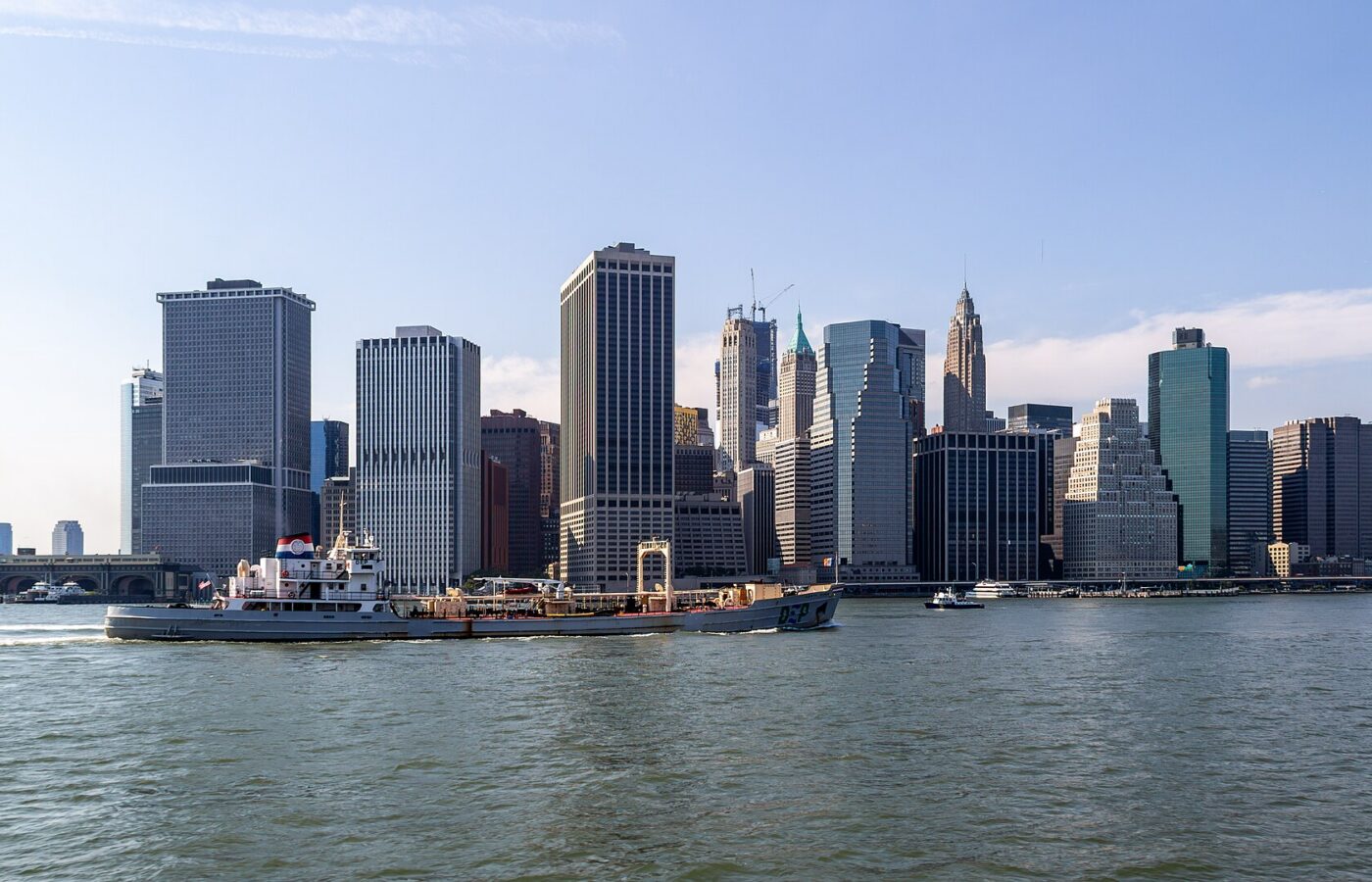
New York City is famous for its energy, its skyscrapers and the sheer variety of its neighborhoods. A few subway stops take you from a street lined with brick townhouses to a avenue of glass towers, from a local market to a world-class museum. The city is best explored on foot, and it’s just as enjoyable in a classic deli as it is in a park.
The best time to visit is April to June and September to November, when temperatures are pleasant for walking. Summers are hot and humid, winters are cold, but the holiday lights have their own charm.
For a first visit, plan four to five days. That gives you time to explore Manhattan, cross the Brooklyn Bridge and wander through a couple of other neighborhoods without rushing. This guide will help you choose where to stay, where to eat, where to go out and how to get around.
Where to stay in New York City
Midtown (Manhattan)
Best for Ideal for a first visit, when you want everything within easy reach of the subway.
Why stay here The area is very well connected and close to Times Square, Central Park and many of the city’s top sights. There are plenty of hotels at every level of comfort.
Good to know It’s noisy and very busy, and rooms are often small for the price.
Greenwich Village and SoHo
Best for Perfect if you prefer strolling along human-scale streets lined with cafés and boutiques.
Why stay here The atmosphere feels more like a village than a big city, with lots of restaurants and bars within walking distance. The subway gets you quickly to both uptown and downtown Manhattan.
Good to know Hotels are expensive and fewer in number, especially around SoHo.
Upper West Side
Best for A good choice for families and travelers looking for a residential, quieter setting.
Why stay here Central Park and the Museum of Natural History are right nearby. The streets are generally calm in the evening, and several subway lines serve the neighborhood.
Good to know You’ll need a bit of travel time to reach downtown Manhattan and the livelier areas.
Williamsburg (Brooklyn)
Best for Best for a younger crowd or visitors who already know the city and love bars, live music and cafés.
Why stay here The vibe is laid-back, with a genuine neighborhood life and a great view of Manhattan from the waterfront. There are plenty of bars and restaurants.
Good to know You’re some distance from Manhattan, and getting back late at night takes a little planning.
Where to eat in New York City
Local dishes to try
- Bagel with smoked salmon : A classic New York breakfast: a bagel topped with cream cheese, smoked salmon and red onion.
- New York-style pizza : A thin crust sold in very large slices that you fold in half to eat standing up or on the go.
- Pastrami sandwich : Smoked beef, sliced thick and served on rye bread: an institution at the city’s delis.
- Cheesecake : Dense and creamy, it’s ordered as dessert in most diners.
- Steak : New York has a long tradition of steakhouses, serving thick grilled cuts often accompanied by sides meant for sharing.
Where to eat, by neighbourhood
| Place | Neighbourhood | Cuisine | In short |
|---|---|---|---|
| Katz’s Delicatessen | Lower East Side | Deli | A deli famous for its pastrami sandwiches, in a big, lively dining room on East Houston Street. |
| Lombardi’s Pizza | SoHo | Pizza | A pizzeria on Spring Street where you can try authentic New York-style pizza in a simple setting. |
| Tom’s Restaurant | Morningside Heights | Diner | A Broadway diner serving hearty American breakfasts, just steps from Columbia University. |
| The River Café | Dumbo | Modern American cuisine | A table on the East River, facing Manhattan, for a more refined dinner on a special occasion. |
| Barney Greengrass | Upper West Side | Bagels and smoked fish | A neighborhood favorite on Amsterdam Avenue for bagels, smoked salmon and classic deli dishes. |
| Peter Luger Steak House | Williamsburg | Steakhouse | A steakhouse on Broadway in Brooklyn, best booked for a meat-focused meal to share. |
Places: © OpenStreetMap contributors.
Nightlife
Greenwich Village
The neighborhood has a long musical and activist history. Its small bars offer live music in a relaxed atmosphere.
Williamsburg and Greenpoint (Brooklyn)
Brooklyn draws a young crowd with its neighborhood bars, pubs and breweries. Evenings are spent walking from one bar to the next, with no dress code.
- Barcade
- Mother’s
- Harefield Road
- Brooklyn Brewery
Lower East Side, East Village and NoHo
An area of small music venues and pubs, where nights start early and run late. The mood stays easygoing.
- Arlene’s Grocery
- Swift Hibernian Lounge
Things to do in New York City
Stroll through Central Park
This large park in the heart of Manhattan is best explored on foot or by bike. You’ll find lawns, lakes, bridges and shaded paths.
Tip Set aside at least half a day, ideally in the morning or late afternoon when the light is soft.
Walk across the Brooklyn Bridge and explore DUMBO
Walking across the bridge offers great views of the southern tip of Manhattan. On the Brooklyn side, DUMBO mixes cobbled streets, old warehouses and redeveloped waterfront.
Tip Go early in the morning to avoid the crowds and enjoy better light for photos.
Visit the Statue of Liberty
The ferry leaves from the southern tip of Manhattan and also serves Ellis Island, which welcomed millions of immigrants. The whole trip makes up a half-day outing or more.
Tip Book your ticket in advance, especially if you want to climb inside the monument, and pick an early time slot.
Discover the Metropolitan Museum of Art
One of the largest museums in the world, its collections range from ancient Egypt to contemporary art. It sits on the edge of Central Park.
Tip Don’t try to see everything: pick two or three sections before you arrive and plan a break halfway through.
Head up a skyscraper for the view
Several observation decks, including the Empire State Building and Top of the Rock, offer panoramas over Manhattan. The view at sunset is especially popular.
Tip Book a sunset time slot in advance and choose a day with clear skies.
Walk the High Line
This former elevated railway is now a planted, raised walkway running along the west side of Manhattan. It takes you past Chelsea and its art galleries.
Tip Visit on a weekday or early in the morning for more space, then finish with a stop in the neighborhood.
Visit the Tenement Museum
This Lower East Side museum tells the story of immigrant families through guided tours of restored apartments in historic tenement buildings.
Tip Book your time slot in advance, as group sizes are limited.
Getting around
From the airport to the city centre
New York is served by three airports: JFK, Newark and LaGuardia.
- JFK: the AirTrain connects the airport to the subway and the commuter rail. A taxi is more direct, but the journey time depends on traffic.
- Newark: an AirTrain leads to a station with trains to Penn Station in Manhattan.
- LaGuardia: there is no direct rail link. The main options are taxi, rideshare or bus with a connection to the subway.
If you land late or are travelling with lots of luggage, a taxi or rideshare is the easiest choice.
Around the city
The subway is the most practical way to get around. It runs day and night and serves almost every neighborhood. You can pay at the turnstile with a contactless credit card or a smartphone.
Buses are useful for crossing Manhattan east to west. Yellow cabs and rideshare vehicles help in the evening or when you have bags. Some trips are also made by ferry, such as the route linking Manhattan with Brooklyn or Staten Island. For everything else, walk: distances are shorter than they look.
Practical info
Safety
Most tourist areas of New York are easy to walk around, by day and by night. Just take the usual precautions for a large city: keep your belongings close to you on the subway and in crowded places, and don’t leave your phone sitting on a table.
Good to know
- Before you leave, apply for an ESTA travel authorization online if you need one.
- Prices shown usually exclude sales tax, and a tip (typically 15 to 20%) is added to the bill at restaurants.
- Bring comfortable shoes: you can easily walk ten kilometers a day.
- Book well in advance for popular sights and the best-known restaurants.
Aziz’s take
For a first trip, Midtown or Greenwich Village are the simplest bases. Set aside one day for Brooklyn, and keep the return journey early if you’re staying in Manhattan. Book museums and observation decks in advance, since that’s where visitors often lose the most time.
FAQ
How many days do you need in New York City?
Four to five days is enough to see the highlights of Manhattan and explore a couple of Brooklyn neighborhoods without rushing. With three days, you’ll need to make choices: one museum, Central Park, a view from above and a few neighborhoods on foot. With a week or more, you can add Queens, the Bronx or slower days.
Where should you stay in New York City for the first time?
Midtown is the easiest choice: well connected by subway and close to Times Square, Central Park and many sights. Greenwich Village and SoHo offer a more charming atmosphere, with human-scale streets. For a quieter setting, the Upper West Side is a safe bet. Everywhere, rooms are often small and prices high.
What is the best time to visit New York City?
Spring (April to June) and autumn (September to November) are the most pleasant seasons for walking. Summer is hot and humid, and winter is cold. If you visit in December, you’ll enjoy the holiday lights, but bring warm clothes.
How do you get from JFK airport to Manhattan?
From JFK, the AirTrain connects the airport to the subway and commuter rail network, avoiding traffic jams. A taxi is more direct, but the journey time depends heavily on traffic. From Newark, an AirTrain leads to a station with trains to Penn Station. Choose based on your luggage and arrival time.
Is New York City expensive?
Yes, especially accommodation. For a comfortable stay, budget about 220 to 350 € per person per day, excluding flights, with mid-range accommodation included. You can keep costs down by eating at delis, pizzerias and diners, walking a lot and enjoying the parks. A tip is almost always added to the bill.
Is New York City safe for tourists?
Yes, most tourist areas are comfortable to explore on foot, day and night. As in any big city, keep an eye on your bags on the subway and in crowded places, and don’t leave your phone out on a table.