
France
Paris
Plan your Paris trip: where to stay, where to eat, bars, sights and getting around. A clear, practical guide to organising your days in the city.
Paris is best explored on foot, one neighbourhood at a time. Each area has its own rhythm: the cafés of the Marais, the steep steps of Montmartre, the riverside quays of the Seine, the grand avenues of the centre. You’ll find world-class museums, landmarks known around the globe and a very real neighbourhood life, with its markets, terraces and bakeries.
The city is dense. Distances look short on the map, but days disappear into queues and transfers. Aim for two or three visits a day, no more.
The best months run from April to June, then September to October. Temperatures are mild and the days are long. Summer can be hot and very busy. Winter is cool and grey, but quieter.
Allow three to five days for a first visit. Paris works just as well for a weekend as for a full week.
Where to stay in Paris
Le Marais
Best for Ideal for a first visit, as a couple or with friends, if you want to do everything on foot.
Why stay here Lively lanes, boutiques, museums and restaurants close by. The area is central and pleasant by day and by night.
Good to know Rooms are often small and pricey, and the streets get packed at weekends.
Quartier latin
Best for Great for travellers who love history, bookshops and a student atmosphere.
Why stay here The Seine, the Luxembourg Gardens and the Panthéon are all nearby. Metro and RER lines serve the area well.
Good to know Some restaurants near the big squares cater mainly to passing tourists.
Montmartre
Best for For those who prefer a village feel and quieter streets in the evening.
Why stay here City views, cafés, small squares and lanes to wander without rushing.
Good to know The hill is steep with many stairs, and the area around Sacré-Cœur is very crowded.
Opéra
Best for A practical base for arrivals by train, shopping or frequent travel across the city.
Why stay here Central and well connected by metro, with the department stores and the Louvre within walking distance.
Good to know It has less charm in the evening: it’s mostly an area of offices and shops.
Where to eat in Paris
Local dishes to try
- Croissant and baguette : The classic breakfast is taken at a neighbourhood bakery. A traditional baguette also makes a good quick lunch.
- Steak-frites : The brasserie classic: grilled beef, chips and often a peppercorn or butter sauce.
- French onion soup : Onion broth topped with bread and melted cheese. Especially comforting in winter.
- Escargots : Served hot in garlicky parsley butter. Trying them once is part of the Paris experience.
- Crêpes : Sweet or savoury, eaten at the table in a crêperie or taken away.
- Cheese : At a cheesemonger’s or at the end of a meal, a cheese board lets you taste products from across France.
Where to eat, by neighbourhood
| Place | Neighbourhood | Cuisine | In short |
|---|---|---|---|
| Bouillon Racine | Quartier latin | French cuisine | A brasserie serving traditional cooking, known for its Art Nouveau interior. |
| L’Escargot Montorgueil | Les Halles | French cuisine | On rue Montorgueil, a classic spot where snails take centre stage. |
| Brasserie Lipp | Saint-Germain-des-Prés | Brasserie | A Saint-Germain brasserie and historic landmark of the neighbourhood, for a meal of classic French cooking. |
| Moulin de la Galette | Montmartre | French cuisine | Located on rue Lepic, a handy stop before or after a walk through old Montmartre. |
| Septime | 11e Arrondissement | French cuisine | A popular table in the 11th on rue de Charonne. Book well in advance. |
| Le Jules Verne | Passy | Fine dining | A fine-dining restaurant inside the Eiffel Tower, for a special evening with views over the city. Book far ahead. |
Places: © OpenStreetMap contributors.
Nightlife
Beaubourg
A central area that comes alive in the evening, with bars of very different moods. Ideal for starting the night without much walking.
- Le Dernier Bar avant la Fin du Monde (pub)
- Oculto (bar)
- Hellfest Corner (bar)
Opéra
A more classic district, good for a drink before or after a show, or for a calmer atmosphere.
- Harry’s Bar (bar)
- Hanoï Cà Phê Opéra (bar)
Buttes-Chaumont and the 10th arrondissement
A more local, laid-back feel, popular with Parisians. Terraces and concert venues sit side by side.
- Rosa Bonheur (bar)
- Le Point Ephémère (bar)
Quartier latin
A student nightlife area, with lively streets around the Seine and place Saint-Michel.
- Aux Trois Mailletz (bar)
Things to do in Paris
The Louvre Museum
One of the largest museums in the world, home to the Mona Lisa, the Venus de Milo and antiquities from many civilisations. You can’t see everything in one visit.
Tip Book a timed-entry slot online. The museum closes one day a week. Choose one or two wings rather than trying to cover it all.
The Eiffel Tower
The city’s most famous monument can be visited by climbing to the top or simply admired from the gardens nearby. The view over Paris changes a lot with the time of day.
Tip Book your ticket in advance, especially in high season. For photos, head to the Trocadéro gardens late in the day.
Montmartre and Sacré-Cœur
The hill offers cobbled streets, staircases, artists’ squares and wide views over the city. The Basilica of Sacré-Cœur dominates the neighbourhood.
Tip Arrive early in the morning to avoid the crowds. To head back down, choose the quieter streets on the north side rather than the main staircases.
Musée d’Orsay
Housed in a former railway station on the banks of the Seine, it holds major works of Impressionism. The building alone is worth the detour.
Tip The museum closes one day a week. Book online and aim for early afternoon or late in the day to avoid the biggest crowds.
Sainte-Chapelle and the Conciergerie
These two neighbouring monuments sit on the Île de la Cité. One is famous for its stained glass, the other is a former royal palace that later became a prison.
Tip Plan to visit both on the same morning. Book ahead to avoid a long wait at the entrance.
The Catacombs of Paris
This underground network holds bones moved from the city’s old cemeteries. The visit is memorable and very different from a typical museum.
Tip Book online, as access is limited. Bring a jacket, as it’s cool underground, and skip it if you don’t cope well with confined spaces.
Les Invalides and the Army Museum
This vast complex tells the military history of France. It also houses Napoleon’s tomb beneath the dome.
Tip Allow half a day. The visit pairs well with a stroll towards the Eiffel Tower.
A walk along the Seine and its quays
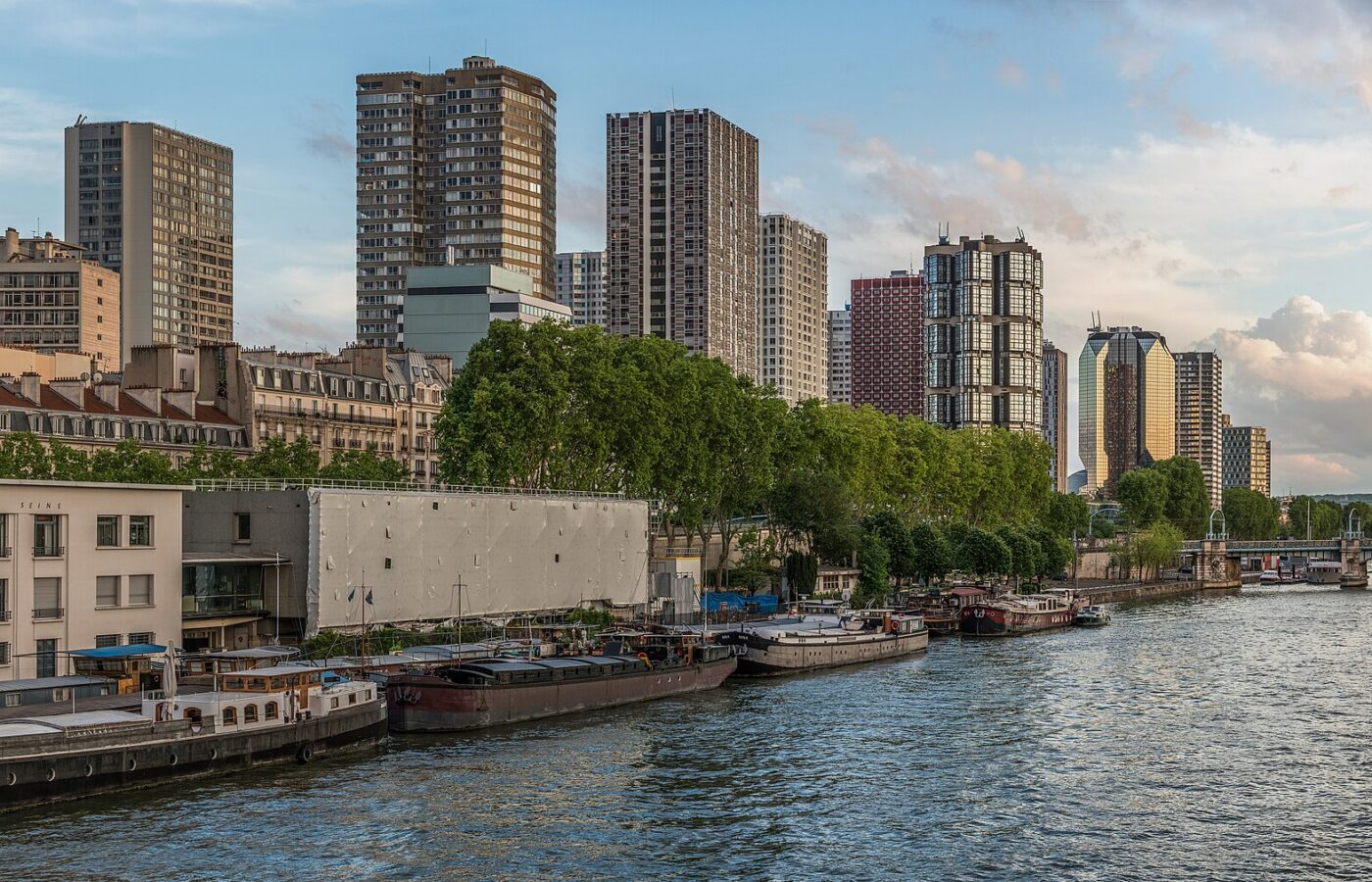
Walking by the water lets you link several monuments without taking the metro. The bridges and the bouquinistes’ book stalls give the walk its character.
Tip Choose late afternoon, when the light is soft. A boat cruise is a good option if you’re tired.
Getting around
From the airport to the city centre
Roissy-Charles-de-Gaulle is served by RER line B, which reaches the centre with stops at Gare du Nord, Châtelet-Les Halles and Saint-Michel. Buses and taxis also connect the airport to the city. Orly is linked to the centre by RER, tram and bus. Whichever airport you use, leave yourself a margin: traffic and roadworks can lengthen the journey.
Around the city
The metro is the fastest and most extensive way to get around. The RER is useful for longer trips, and buses offer good views during the day. Several fare options exist, from single tickets to the rechargeable Navigo Easy card. Shared bikes are handy in good weather. For the centre, walking remains the best way to discover the city, as neighbourhoods link up easily.
Practical info
Safety
Paris is a safe city for visitors, but pickpockets are active on the metro, around major monuments and in queues. Keep your phone and bag in front of you and zipped up. Be wary of people who approach you with a petition or offer you a friendship bracelet.
Good to know
- Book tickets for major sites in advance, especially the Louvre, the Eiffel Tower and the Catacombs.
- Museums often close one day a week: build that closing day into your plan from the start.
- In restaurants, service runs mainly at lunch and dinner, often with a break in between. Book dinner ahead, especially at weekends.
- Bring comfortable shoes: a day of sightseeing easily means several kilometres on foot.
Aziz’s take
Paris is at its best for travellers willing to slow down. A well-explored neighbourhood beats a list of monuments seen in a rush. Keep a late afternoon free to wander without a plan, as that is often when the city reveals itself.
FAQ
How many days do you need in Paris?
Three days cover the big sights: the Eiffel Tower, the Louvre, Montmartre and the Seine. With four or five days, you can add a second museum, a lesser-known neighbourhood and time to wander. For a weekend, pick two neighbourhoods and leave the rest for next time. A week suits anyone who loves museums.
Where should I stay in Paris for the first time?
The Marais is the easiest choice: it’s central and pleasant on foot. The Quartier latin suits those who want a student atmosphere close to the Seine. Montmartre appeals to fans of quiet streets, but expect some climbing. Near the Opéra, you’re well connected to the rest of the city.
When is the best time to visit Paris?
April to June and September to October are the most pleasant months, with mild temperatures, long days and open terraces. Summer brings heat and big crowds. Winter is cool and grey, but the museums are less packed. Book earlier for school holidays and the year-end festive period.
How do I get from Charles de Gaulle airport to central Paris?
RER line B is the most common option: it serves Gare du Nord, Châtelet-Les Halles and Saint-Michel. Direct buses and taxis are also available. Journey times depend on traffic and roadworks, so leave a margin, especially on departure day or if the network is disrupted.
Is Paris expensive?
Paris is expensive, especially for accommodation. Budget about 150 to 230 € per person per day, excluding flights, with a mid-range hotel. Lunch menus, bakeries and markets help keep costs down. Most churches and gardens can be visited without paying an entry fee.