
Japan
Tokyo
Plan your Tokyo trip: the best neighborhoods to stay in, where to eat, bars, sights, getting around and practical tips for a smooth, easy visit.
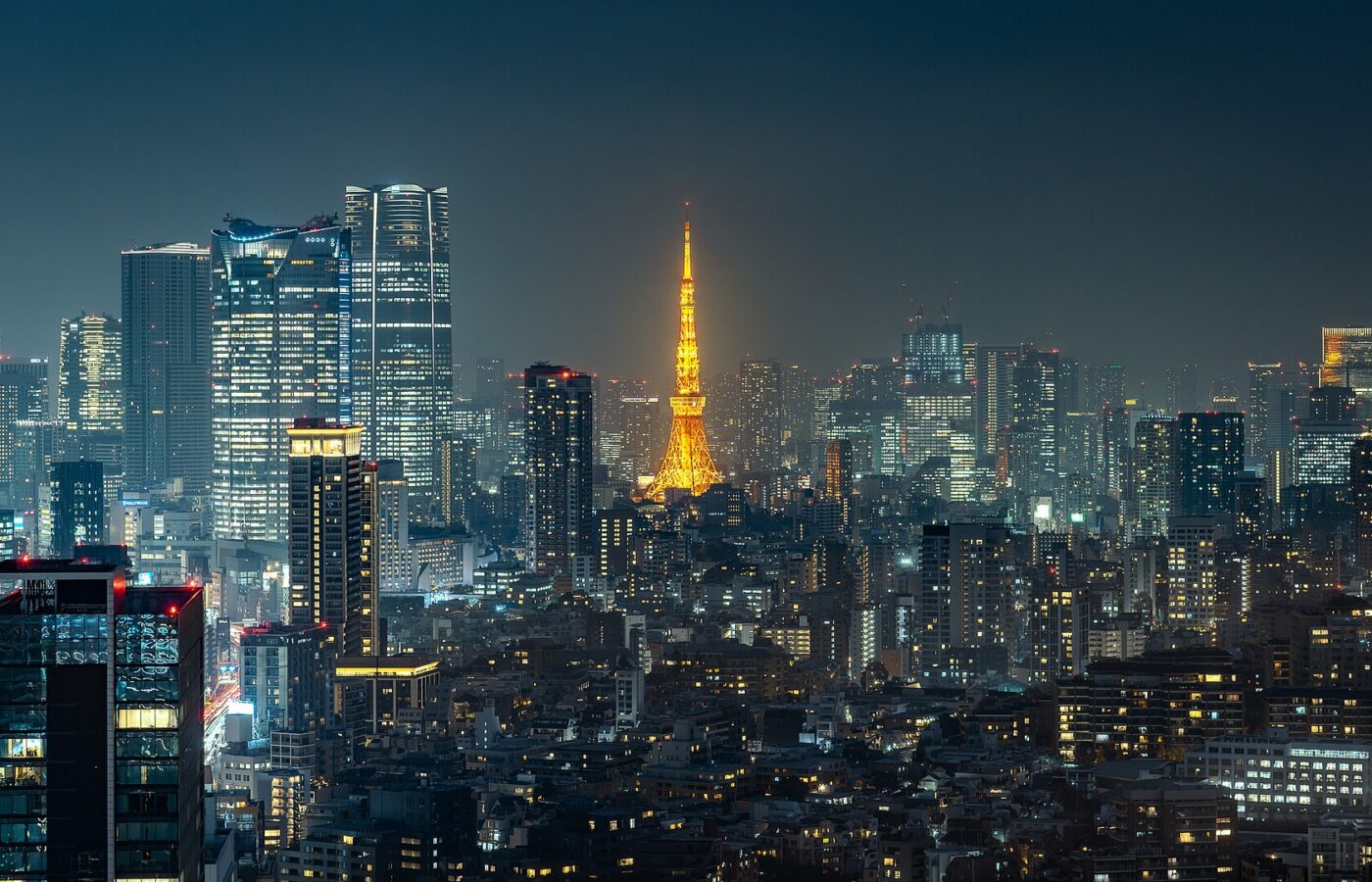
Tokyo can feel overwhelming at first, then it wins you over. The city is huge, but it reveals itself one neighborhood at a time. In Asakusa, you step into an ancient temple. In Shibuya, you cross a packed intersection. In Shinjuku, the neon lights come on as soon as night falls. In between, you’ll find quiet lanes, parks and tiny noodle shops.
Tokyo suits both a first trip to Japan and a return visit. The trains run on time, the city is clean and very safe, and you can eat well on any budget.
The best seasons are March and April, for the cherry blossoms, and October and November, for mild weather and autumn colors. Summer is hot and humid. Plan for 4 to 6 days on a first visit. This guide helps you choose your neighborhood, your restaurants, your evenings and your sights.
Where to stay in Tokyo
Shinjuku
Best for Ideal for a first visit, if you want everything within easy reach.
Why stay here Shinjuku Station connects easily to the rest of the city. Restaurants, bars and shops stay open late.
Good to know The area is very dense and noisy, and the station is a real maze.
Shibuya
Best for For travelers who love energy, fashion and nightlife.
Why stay here You’re right in the middle of a young neighborhood, with plenty of shops, cafés and restaurants. Harajuku and Yoyogi Park are easy to link together.
Good to know The crowds are constant, and rooms are often small for the price.
Asakusa
Best for For those who prefer a calmer, more traditional atmosphere.
Why stay here Sensō-ji temple is within walking distance, and the surrounding streets keep an old-fashioned charm. Accommodation is often more affordable here.
Good to know The area is off the main hubs, and the nightlife is quieter than elsewhere.
Ueno
Best for For travelers who enjoy museums, parks and good value.
Why stay here Ueno Park and its museums are very close. The station offers good connections, including to Narita.
Good to know Some areas around the station lack charm in the evening.
Where to eat in Tokyo
Local dishes to try
- Sushi : Tokyo is one of the best places to try it, from discreet counter bars to conveyor-belt restaurants.
- Ramen : These noodles in broth are served everywhere, and every neighborhood has its favorite spots.
- Soba : Buckwheat noodles served cold or hot, with a light dipping sauce. It’s a simple, filling meal.
- Tempura : Vegetables, shrimp and fish are fried in a very light batter and served piping hot.
- Yakitori and izakaya cuisine : Skewers and small dishes to share, enjoyed with beer or sake in Japanese taverns.
Where to eat, by neighbourhood
| Place | Neighbourhood | Cuisine | In short |
|---|---|---|---|
| 神田藪蕎麦 (Yabusoba) | Kanda | Soba | A buckwheat noodle house in the Kanda neighborhood, ideal for a classic lunch. |
| 神田まつや | Kanda | Soba | Another soba spot in Kanda, just a short walk from the first: a good way to compare two styles. |
| 一蘭 | Ikebukuro | Ramen | A well-known ramen chain, convenient for a quick meal at any hour. |
| すごい煮干ラーメン凪 新宿ゴールデン街店本館 | Kabukichō (Shinjuku) | Ramen | A bowl of ramen with a broth made from small dried sardines, in the heart of Golden Gai. |
| 東京 芝 とうふ屋うかい | Shiba (Minato) | Japanese | A Japanese restaurant centered on tofu, for a more relaxed meal. |
| Shinjuku Kappo Nakajima | Shinjuku | Japanese | A kappō-style Japanese restaurant in Shinjuku, for a more refined evening. |
Places: © OpenStreetMap contributors.
Nightlife
Kagurazaka
This neighborhood of cobbled lanes has a village feel. Have a drink in small Japanese taverns, without the crowds.
- 塩梅
- 庄や
- 山笠
- 萬月
Asakusa
In the evening, the area is laid-back and local. It’s a great spot for a drink after visiting the temple.
- Bar Kamiya
Shinjuku (Kabukichō)
This is the district of neon signs and tiny bars. The atmosphere is lively, sometimes loud, and more enjoyable in a group.
- ゴールデンダスト
Aoyama
An upscale district, for a more relaxed evening centered on live music.
- Blue Note Tokyo
Things to do in Tokyo
Sensō-ji Temple in Asakusa
One of the city’s oldest temples. You reach it along a lane lined with souvenir and snack shops.
Tip Go early in the morning or late in the day to avoid the crowds.
Meiji Jingū Shrine
Hidden in a large forest near Harajuku. The walk to the shrine offers a real break from the city.
Tip Go in the morning, when it’s quietest, then continue on to Harajuku.
Shibuya Crossing
Hundreds of people cross at the same time in every direction. The sight is astonishing.
Tip Watch it first from a raised spot, then cross once night has fallen.
Tokyo City View in Roppongi
This high viewpoint overlooks the whole city. On a clear day, the vastness of Tokyo really comes into view.
Tip Pick a clear day and arrive before sunset to see the city by day and then by night.
Ueno Park and its museums
The park is home to several museums, a pond and wide paths. It’s a great choice for a culture-focused day.
Tip Pick just one or two museums so you have time to wander the park. In spring, it gets very busy.
Tsukiji Outer Market
Stalls and small eateries serve seafood, omelets and skewers. It’s the place for breakfast or a quick lunch on the go.
Tip Come mid-morning with a good appetite, and choose a weekday if you can.
Shinjuku Gyoen Garden
This large garden offers lawns, ponds and greenhouses. It’s perfect for a peaceful break in the middle of Shinjuku.
Tip One of the best spots for cherry blossoms in spring and autumn foliage in the fall.
Getting around
From the airport to the city centre
Tokyo has two airports. Haneda is the closer one to the city center: a train or monorail takes you there without any complicated transfers. Narita is farther out. It connects to the center by fast trains, such as the Narita Express or Keisei Skyliner, or by bus. For a late or heavily loaded arrival, taxis are available, but they cost considerably more than the train.
Around the city
Trains and the subway are the best way to get around. The JR Yamanote loop line serves most major areas (Shinjuku, Shibuya, Ueno, Tokyo). The subway fills in the gaps. A rechargeable card such as Suica or Pasmo, which also works on a smartphone, saves you from buying a ticket for every journey. Avoid the main lines at rush hour, when trains are packed. Trains stop running late at night, so plan your return trip.
Practical info
Safety
Tokyo is a very safe city. Theft is rare, but stay alert in crowds. In Kabukichō, be wary of touts who invite you into a bar: politely decline if you don’t know the place.
Good to know
- Carry some cash: some small restaurants don’t accept cards.
- Keep your voice low on public transport and avoid phone calls on the train.
- Avoid eating while walking in the street, except at markets. Trash bins are rare, so keep your rubbish with you.
- Tipping doesn’t exist in Japan: don’t leave one, as it could cause embarrassment.
FAQ
How many days do you need in Tokyo?
For a first visit, plan on 4 to 6 days. Four days is enough to see the main neighborhoods: Asakusa, Shibuya, Shinjuku and Ueno. With six days, you can add museums, markets and free time to wander. A day trip outside the city takes one more day.
Where should I stay in Tokyo for the first time?
Shinjuku is the simplest choice: connections are numerous and restaurants stay open late. Shibuya suits you if you like a lively atmosphere. Asakusa is calmer and more traditional. Ueno is handy for museums and the station. Choose a hotel near a station to limit the walking with luggage.
When is the best time to visit Tokyo?
March and April are very popular for the cherry blossoms, but hotels fill up fast. October and November offer mild weather and beautiful autumn colors. Summer is hot and humid, with a rainy season at the start of the warm months. Winter is dry, often sunny, with clear views across the city.
How much does Tokyo cost per day?
About 150 to 230 € per person per day, excluding flights, based on a mid-range hotel, three meals, transport and a few sights. You can bring the cost down by eating at noodle restaurants or small eateries. Sharing a double room also splits the accommodation costs.
How do I get from the airport to central Tokyo?
From Haneda, a train or monorail reaches the center quickly. From Narita, the Narita Express and Keisei Skyliner are the most common options, and buses also serve several neighborhoods. Choose based on your hotel: find the station closest to it to avoid unnecessary transfers.
Is Tokyo safe?
Yes, Tokyo is one of the safest major cities in the world. You can walk around without worry, even late at night. Just stay alert in crowds and in bar areas such as Kabukichō, where some touts are persistent. Also note that Japan experiences earthquakes: follow your hotel’s safety instructions.